

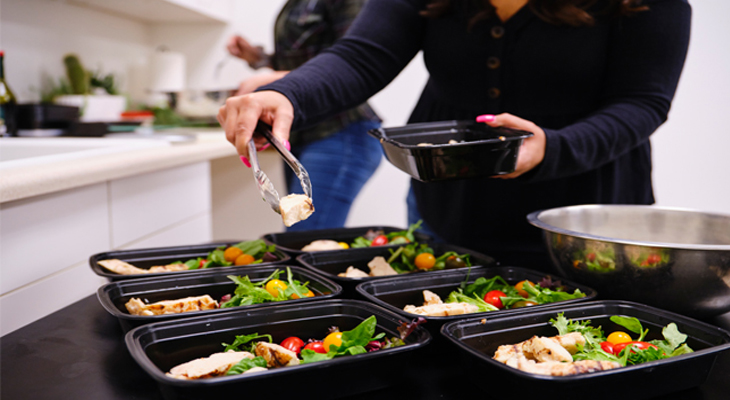
After my husband Rob died unexpectedly, our church created a meal chain to maintain our family through the first month of loss. Friends of our congregation regularly arrived with dinners prepared for my four children and me, taking into account our nutritional needs and culinary flavors.
We had never been a family of picky eaters, but we soon discovered that grief did something with our appetite. Sometimes the time to roll around and nobody was hungry. Other times a food brought back painful memories and made the food hard. All the time the meal reminded us of the empty chair at the table, the conversation that flowed so easily and now hung silently above our plates.
Because of my years of advocacy, I learned that we were not alone in those days. Many grieving people struggle with changes in eating patterns and appetite after the death of a loved one. Yet offering a meal can be a wonderfully tangible expression of care; And those who support a loved one want to do their best to offer what feels and tastes the most reassuring.
As you sign up for your next meal train, consider these four tips for meals that will certainly be your grieving friend – even if she has to eat them with tears in her eyes.
1. Producing not processed
When sorrow has reduced your friend’s appetite, a new portion of Greens can offer the food she needs until she is healthy meals again. While you pack your friend’s comfort meal, opt for fruits and vegetables with vitamin about processed alternatives such as chips or fruit in syrup. Salads with her favorite notes, pineapple that is cut and ready to eat – if it is in the product part of the supermarket, then consider it a gift of comfort directly from God’s good creation!
2. Freeizable food
Soups are a popular dinner in the meal; Prepare yours to freeze if your grieving friend loses her appetite during the delivery evening. Pack soups in plastic containers that do not have to be returned. Choose a freez-friendly sloppy Joe recipe with easily freezed sandwiches. Even if you deliver your dinner fresh, your person has options to eat it now or later, depending on how sadness feels during meals.
3. “Leave no trace” dinner
Walkers have a policy to “not leave a track” on paths; They pack and pack all their waste. Make the same policy if you design your meal for your grieving friend. If you make dinner for a family, you no longer make the requested portions. Leftovers can quickly become overwhelming if you experience the “brain fog” of grief. Pack your meal with just enough, so that it is food, it’s all gone – you have not left a trace but happy memories of your tasty dish!
4. Something for children
Regardless of whether you cook for children, make sure you include something for the child in all of us. A favorite Candybar, a single ice cupcake or ice treatments on a hot summer day – each of these remind your grieving friend that the sweetness of life still exists. A small treat for the children in a household will confirm that their grief is also important. In the depth of grief we need both solidarity in our grief and the hope of life outside our grief. The meal that you take with you can be a calm confirmation that both can be available in a season in which it often feels like sadness leaves them all alone.
***
Help your child to understand sorrow in an honest, hopeful way.
Hope to stayThrough Clarissa MollChildren (ages 4 to 8) rest to cope with the confusing and conflicting emotions associated with the death of a loved one. For parents and carers, this book helps them to initiate important family discussions about sadness and losses. The book, set in a picturesque quiet city in Maine, follows the story of a young girl, Lela, and her family who struggles with the death of a loved one. With the help of a surprising new friend, Lela runs through several seasons of sadness, learning meaningful lessons about loss and finding hope and joy in the midst of sorrow.
Read more about the book and how you can buy here.